Best Home Decor Ideas Tips and Strategies
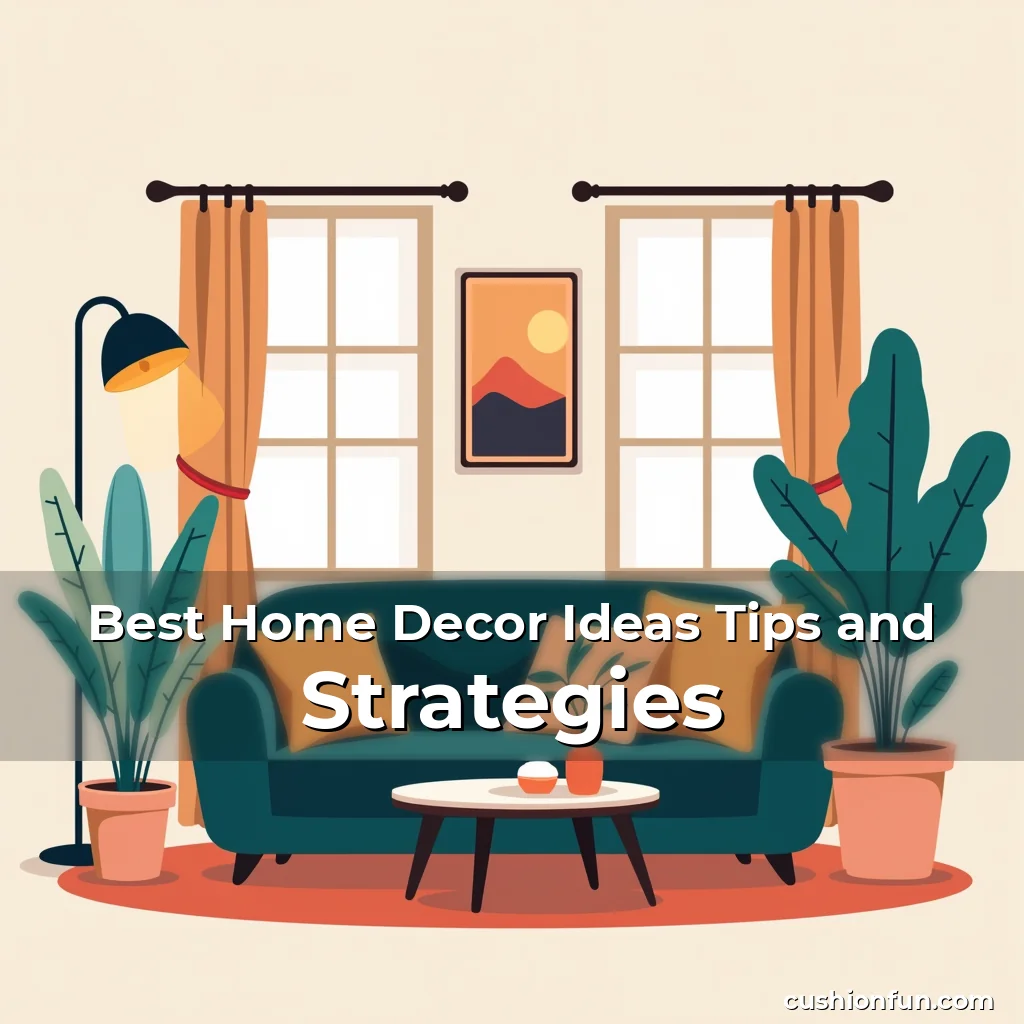
Transform Your Space: Innovative Home Decor Ideas & Expert Hacks
Welcome to our ultimate guide to elevating your living environment with creative home décor solutions. Whether you’re seeking inspiration for small apartments or spacious homes, these expert-curated ideas will transform ordinary rooms into extraordinary sanctuaries.
This guide goes beyond basic styling tips by exploring cutting-edge trends and timeless strategies that harmonize beauty with functionality. Discover how thoughtful design choices significantly impact daily life satisfaction and aesthetic pleasure.
Mastering Color Psychology Through Interior Design
The strategic use of color schemes profoundly influences emotional responses within a space. Warm hues promote coziness while cool shades foster tranquility—an essential consideration when selecting paint finishes and furnishings.
Neutral bases paired with vibrant accents provide flexibility for future renovations. For instance, beige walls combined with jewel-toned throw pillows allow easy updates without repainting entire rooms.
Consider implementing tonal variations rather than stark contrasts for more cohesive interiors. Subtle gradients in wall paint or layered textiles achieve soft transitions between colors naturally.
Experiment with monochromatic schemes for minimalist aesthetics. This approach works particularly well in open-plan areas where uniformity enhances spatial perception.
- Mindful Selection: Choose base colors that complement existing architectural features before adding statement pieces.
- Versatile Accents: Incorporate removable wallpaper or temporary curtain treatments for quick color transformations.
Elevate Spatial Depth With Textural Layering
Tactile surfaces introduce dimensionality otherwise unattainable through flat designs alone. Blending smooth leather sofas with chunky knit throws “`
‘article
Transform Your Space: Innovative Home Decor Ideas & Expert Hacks
Welcome to our ultimate guide to elevating your living environment with creative home décor solutions. Whether you’re seeking inspiration for small apartments or spacious homes, these expert-curated ideas will transform ordinary rooms into extraordinary sanctuaries.
This guide goes beyond basic styling tips by exploring cutting-edge trends and timeless strategies that harmonize beauty with functionality. Discover how thoughtful design choices significantly impact daily life satisfaction and aesthetic pleasure.
Mastering Color Psychology Through Interior Design
The strategic use of color schemes profoundly influences emotional responses within a space. Warm hues promote coziness while cool shades foster tranquility—an essential consideration when selecting paint finishes and furnishings.
Neutral bases paired with vibrant accents provide flexibility for future renovations. For instance, beige walls combined with jewel-toned throw pillows allow easy updates without repainting entire rooms.
Consider implementing tonal variations rather than stark contrasts for more cohesive interiors. Subtle gradients in wall paint or layered textiles achieve soft transitions between colors naturally.
Experiment with monochromatic schemes for minimalist aesthetics. This approach works particularly well in open-plan areas where uniformity enhances spatial perception.
- Mindful Selection: Choose base colors that complement existing architectural features before adding statement pieces.
- Versatile Accents: Incorporate removable wallpaper or temporary curtain treatments for quick color transformations.
Elevate Spatial Depth With Textural Layering
Tactile surfaces introduce dimensionality otherwise unattainable through flat designs alone. Blending smooth leather sofas with chunky knit throws creates visually striking contrasts worthy of interior magazines.
Natural fibers such as jute rugs and woven baskets bring organic warmth to modern settings. These elements counterbalance synthetic materials common in contemporary décor.
Layering different texture levels—from plush velvet cushions to sleek metallic accents—adds complexity without overcrowding the space. Balance becomes crucial during implementation phases.
Differentiate texture zones within larger rooms. For example, designate soft textile clusters near seating areas while keeping hard surface selections closer to functional workspaces.
Material Fusion Techniques
Combining unexpected material pairings can yield surprising results. Try pairing matte ceramic tiles with glossy lacquer furniture for dynamic visual interest.
According to recent studies, households incorporating diverse textural elements report higher satisfaction ratings regarding their living environments’ overall comfort levels.
Average spending on specialty textiles increased by 28% last year, indicating growing consumer demand for textured home goods that offer both aesthetic value and sensory engagement.
Investment in high-quality foundational items pays off over time as they serve as anchors around which lesser-value accessories orbit effectively.
Strategic Illumination: Enhancing Ambiance And Functionality
Proper lighting distribution transforms merely livable spaces into inviting havens. Understand the three primary light categories—ambient, task, and accent—to optimize illumination needs comprehensively.
Layering light sources allows precise control over brightness levels depending on activity type. Dimmable switches prove invaluable for adapting environments throughout changing times of day.
Incorporate natural daylight maximization techniques wherever possible. Position mirrors strategically to reflect available sunlight and reduce artificial energy consumption.
Smart lighting systems enable automation of routines, ensuring optimal conditions exist regardless of external factors affecting traditional fixtures.
- Luminous Balance: Maintain at least three distinct light levels across every major room area.
- Eco-Conscious Choices: Opt for LED technology offering longevity benefits alongside reduced electricity usage.
Optimize Layouts For Enhanced Livability
Furniture orientation dictates not only visual harmony but also ease of movement within enclosed spaces. Prioritize clear pathways to prevent accidental collisions and maintain accessibility standards.
Implement zoning concepts within single-room configurations. Define separate functional areas through floor coverings, partition screens, or clever lighting arrangements.
Choose multifunctional pieces that address dual purposes. Convertible sofa beds accommodate guests while serving everyday seating roles simultaneously.
Adjust layout dynamically based on evolving lifestyle demands. Regularly reassess spatial needs every six months to ensure continued suitability of current setups.
Flow Optimization Strategies
Analyze traffic patterns through motion sensors or simple observation methods to identify potential bottlenecks requiring mitigation efforts.
Research indicates that average household members spend approximately 16 hours daily navigating interior spaces, making efficient circulation paramount for long-term satisfaction.
Circular room layouts often outperform rectangular ones concerning free-flow dynamics due to reduced corner congestion issues typically encountered in box-shaped spaces.
Integrate modular components allowing flexible reconfiguration possibilities. Freestanding shelves and mobile side tables support adaptive furnishing approaches effortlessly.
Bio-Inspired Design: Harnessing Nature’s Beauty
Incorporating botanical elements introduces biophilic qualities proven beneficial for mental wellbeing and physical health outcomes. Plants purify air and stimulate psychological recovery processes significantly.
Select species matching environmental conditions prevailing in targeted locations. Succulent varieties thrive in dry climates whereas ferns require consistently moist soil mediums.
Create vertical gardens utilizing hanging planters or trellis structures to maximize limited square footage availability efficiently.
Combine foliage displays with complementary décor items featuring leaf motifs or floral patterns for enhanced thematic cohesion across varying rooms.
- Low-Maintenance Options: Air-purifying snake plants and pothos vines excel in demanding situations requiring minimal oversight.
- Sustainable Practices: Utilize recycled containers filled with organic potting mixes whenever feasible to minimize ecological footprint.
Curatorial Display: Infusing Personal Identity Into Spaces
Art collections reflect individual tastes and experiences uniquely shaping each dwelling’s identity. Curate rotating exhibits maintaining fresh perspectives seasonally rather than static installations.
Balance framed artwork selections with sculptural objects creating three-dimensional depth absent purely two-dimensional presentations.
Use gallery walls composed of varied media types—paintings, photographs, prints—to develop visually compelling narratives expressing personal journeys effectively.
Regularly update displays following significant life events or career milestones preserving relevance through continuous evolution rather than stagnation.
Installation Best Practices
Apply eye-level mounting heights averaging 57 inches above flooring surfaces to facilitate comfortable viewing angles naturally without undue effort required.
Group related artworks together thematically rather than chronologically arranging by acquisition dates for greater narrative continuity across entire exhibition areas.
Protect delicate pieces via UV-filter glass enclosures preventing fading damage caused by prolonged exposure to direct sunlight sources.
Install climate control mechanisms regulating humidity and temperature fluctuations protecting sensitive medium compositions like watercolor paintings and paper collages.
Textile Statements: Making Comfort An Aesthetic Statement
Cushions act as versatile tools influencing room temperatures, acoustics, and visual interest simultaneously. Choose designs that match overarching themes while providing tactile gratification.
Layering technique involves stacking cushions of varying sizes and shapes atop one another creating dimensional effects reminiscent of sculptural forms.
Color blocking methodologies apply patterned cushions adjacent to solid-colored ones forming optical illusions of expanded spatial dimensions.
Rotate cushion placements periodically maintaining novelty factor avoiding monotony creeping into regular interactions with furniture surfaces.
- Seasonal Shifts: Replace summer cotton covers with wool alternatives during colder months ensuring adequate insulation properties.
- Thematic Cohesion: Coordinate cushion patterns with rug designs creating unified motif expressions across related furniture groupings.
Finishing Touches: Completing Visual Narratives
Thoughtfully selected accessories elevate basic frameworks converting functional areas into distinctive environments resonating emotionally with occupants.
Personalized items like family photos or handmade crafts contribute authentic identities distinguishing spaces from mass-produced generic offerings commonly found commercially.
Decorative hardware upgrades including doorknobs, drawer pulls, and cabinet handles instantly rejuvenate outdated cabinetry systems restoring vitality swiftly.
Establish anchoring pieces before adding supplementary elements ensuring logical progression toward fully realized interior visions organically.