Outdoor Cushions vs Alternatives: Complete Comparison
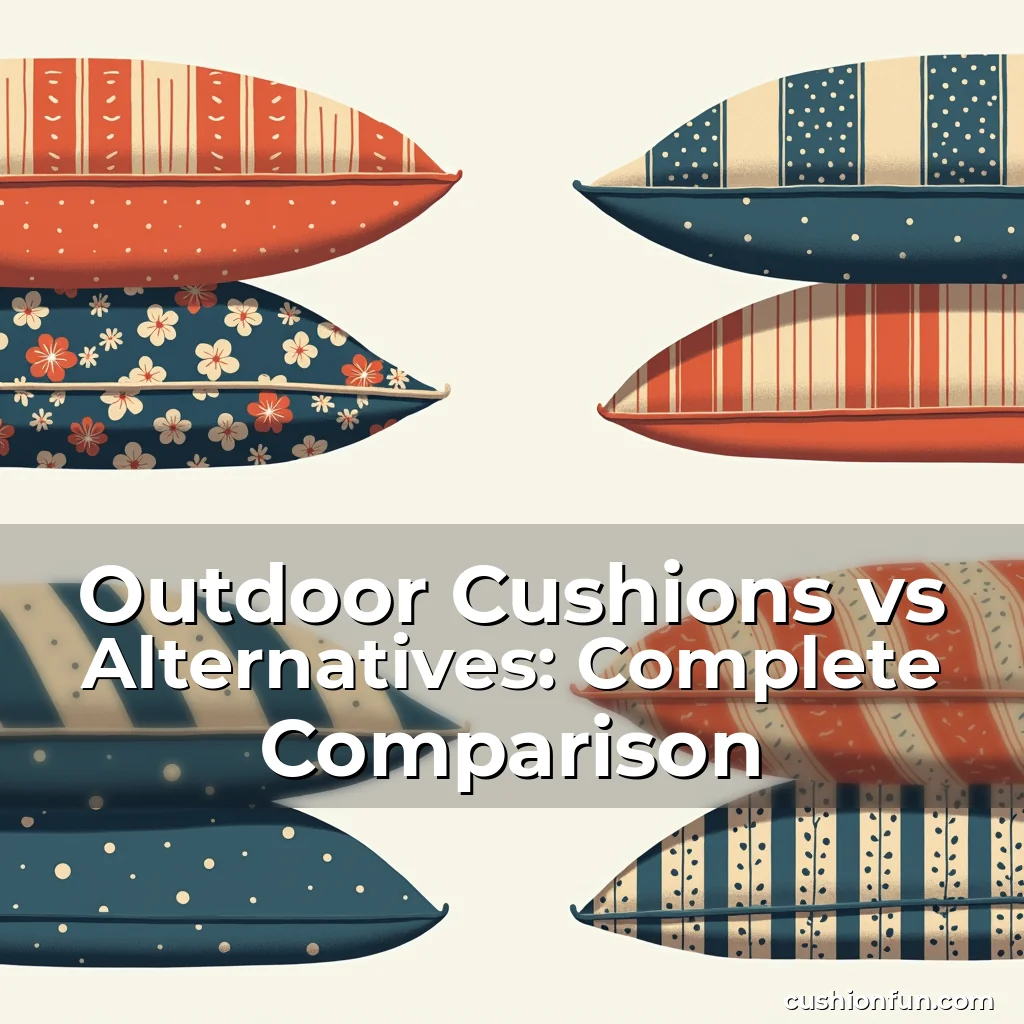
Outdoor Cushions vs Alternatives: Complete Comparison
In today’s world of outdoor living spaces, choosing between different seating options can be overwhelming. Whether you’re upgrading your backyard patio or setting up an alfresco dining area, the decision often comes down to whether to invest in durable outdoor cushions or opt for alternative solutions.
The right choice depends heavily on factors such as budget, climate conditions, usage frequency, and aesthetic preferences. This comparison guide will help you navigate through these choices effectively.
Understanding Outdoor Cushions
Outdoor cushions are specifically designed to withstand various weather conditions while providing comfort. They typically feature water-resistant materials that protect against rain, sun expo
Manufacturers often include UV protection treatments to prevent fading from prolonged sunlight exposure. These features ensure longevity even when exposed to harsh elements regularly.
- Durable Fabrics: Materials like solution-dyed acrylics resist mold and mildew growth, making them ideal for humid climates.
- Water Resistance: Many cushions come with waterproof covers or coatings that repel moisture without compromising breathability.
Evaluating Alternative Seating Options
While outdoor cushions offer undeniable benefits, alternatives exist that might suit certain needs better. One popular option is using natural fibers such as wicker or rattan furniture paired with removable seat pads made from cotton or linen.
Cotton and linen pads provide softness but lack the durability required for frequent outdoor use unless treated properly. Regular maintenance becomes crucial for preserving their condition over time.
Bamboo or teak wood furniture offers another viable alternative. Their inherent resistance to rotting makes them suitable for year-round use in many environments.
Cost Considerations Between Choices
Initial costs play a significant role in deciding between outdoor cushions versus other seating solutions. High-quality outdoor cushions usually range from $50 to $200 each depending on size and material quality.
Comparatively, purchasing solid wooden benches or tables could cost anywhere from $200 upwards based on design complexity and craftsmanship level involved.
This difference highlights why some homeowners prefer investing initially in sturdy structures rather than buying multiple cushion sets which may require replacement sooner due to wear-and-tear issues.
Comfort Versus Durability Trade-off
A critical factor influencing the choice between outdoor cushions and alternatives lies within the balance between comfort levels achieved versus how long those comforts last outdoors.
Fabric-based cushions generally offer superior initial comfort compared to hard surfaces found on most non-cushioned furnishings. However, they tend to degrade faster under constant exposure to environmental stressors.
Metal-framed chairs equipped with molded plastic seats present an interesting middle ground where moderate comfort meets increased resilience against elemental damage.
Climate-Specific Suitability
Your geographical location significantly impacts what type of outdoor seating would thrive best around your home environment. Coastal regions experience high salt air content affecting metal components quickly.
Areas prone to heavy rainfall benefit immensely from utilizing elevated platforms or raised garden beds alongside cushion placements to avoid direct contact with damp earth underneath.
If residing near desert-like conditions characterized by extreme heat fluctuations, selecting lighter-colored fabrics helps reduce absorbed thermal energy during peak hours thus prolonging product lifespan notably.
Aesthetic Integration Into Landscape Design
Choosing outdoor cushions allows greater flexibility regarding color schemes matching personal style choices easily adaptable across seasons via interchangeable cover designs.
Conversely, opting for permanent fixtures like stone terraces limits visual transformation opportunities unless additional decorative items are incorporated strategically into layouts.
For instance, adding throw pillows atop standard seating arrangements introduces dynamic flair effortlessly without committing permanently towards any particular theme annually.
Environmental Impact Analysis
When considering sustainability aspects related to either option—outdoor cushions or traditional furniture—their production processes hold considerable weightage determining overall eco-friendliness scores respectively.
Synthetic fiber-based cushions manufactured using recycled plastics contribute less carbon footprint than newly sourced hardwood counterparts requiring extensive logging operations before reaching consumer markets globally.
However, biodegradable variants available now pose challenges concerning disposal methods needing specialized facilities ensuring complete decomposition safely back into nature cycle systems efficiently.
Long-Term Maintenance Needs Assessment
Proper upkeep routines differ drastically among both categories mentioned above; hence understanding required efforts ahead prevents future disappointments stemming from neglected responsibilities post-purchase decisions made hastily.
Cushion care involves regular cleaning cycles removing accumulated dirt particles preventing bacterial buildup potentially harming human health indirectly especially after extended periods left untouched outdoors unprotectedly.
Treating fabric surfaces periodically with protective sprays enhances defense mechanisms against staining agents commonly encountered within recreational areas frequented regularly by numerous users simultaneously.
Customer Reviews & Market Trends Insights
Recent surveys indicate growing popularity surrounding modular cushion setups allowing easy reconfiguration according to changing spatial requirements without necessitating full replacements every few years.
Consumer feedback emphasizes satisfaction derived mainly from improved ergonomics offered through contoured shapes tailored precisely fitting individual body contours enhancing sitting experiences considerably beyond flat conventional models previously dominant industry standards.
Predictive analytics suggest continued demand escalation focusing increasingly onto innovative hybrid products combining functionalities traditionally associated separately between two distinct realms currently being explored actively within contemporary marketplace dynamics rapidly evolving nowadays.
Conclusion
Selecting between outdoor cushions and other seating alternatives requires careful consideration of several interrelated variables impacting final outcomes positively or negatively accordingly.
By evaluating aspects including financial investment expectations, desired physical sensations experienced daily, climatic constraints imposed naturally upon selected locations, visual harmony maintained consistently throughout varying temporal phases, ecological consciousness displayed responsibly toward planet preservation goals collectively determine optimal selections ultimately leading successful implementations benefiting everyone concerned deeply engaged wholeheartedly promoting sustainable lifestyles joyfully embraced universally cherished worldwide communities thriving harmoniously together endlessly.