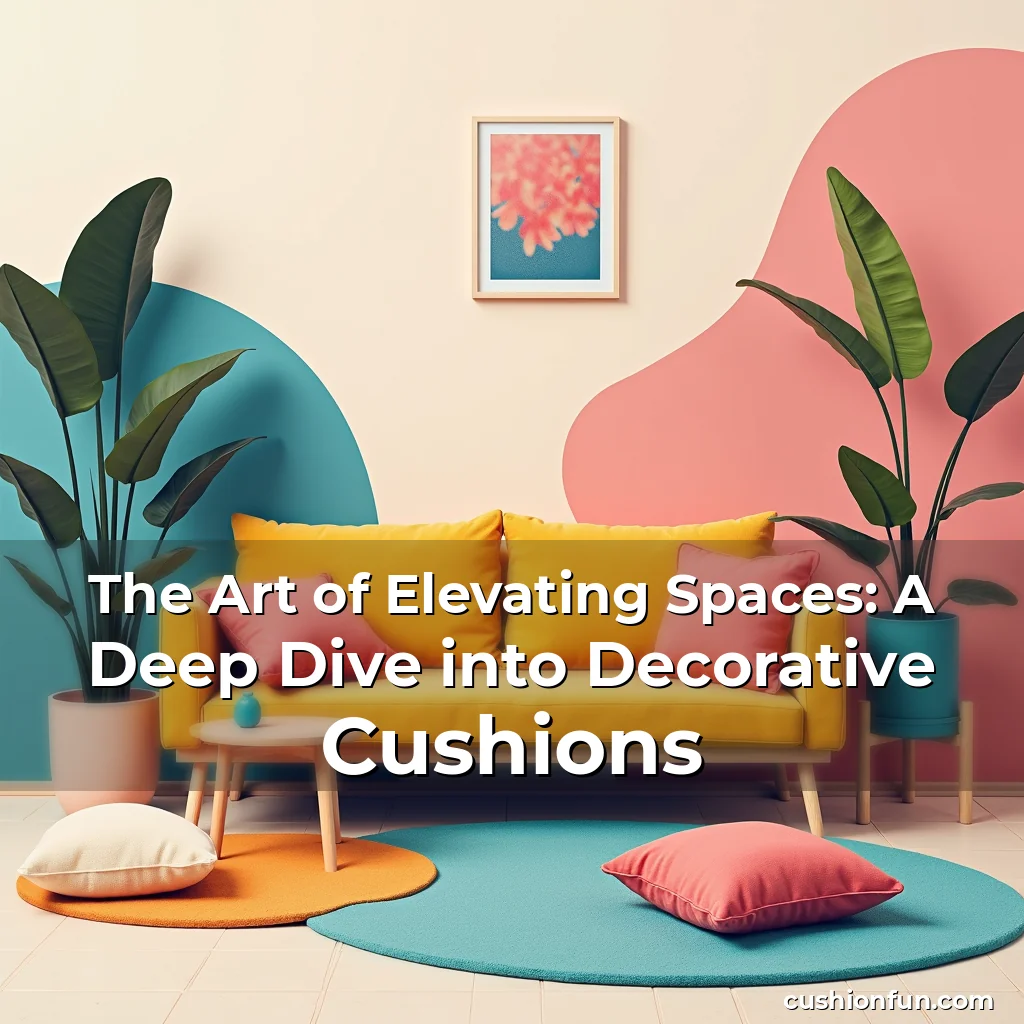
The Art of Elevating Spaces: A Deep Dive into Decorative Cushions
In an era where interior design is as much about personal expression as it is about functionality, decorative cushions have emerged as pivotal elements that transform ordinary spaces into extraordinary environments. These seemingly simple accessories are far from mere additions; they serve as canvases for creativity, embodying both style and comfort.
From vibrant patterns to minimalist designs, decorative cushions offer endless possibilities to reflect individual tastes while enhancing the aesthetic appeal of any room. Whether you’re aiming to refresh your living area or create a cozy reading nook, these cushions can be tailored to suit every need and preference.
The Role of Decorative Cushions in Interior Design
Decorative cushions play a multifaceted role in interior design by acting as visual anchors that draw attention and add depth to a space. Their placement can dramatically alter the dynamics of a room, creating focal points around which other decor elements revolve.
A well-chosen set of cushions not only adds color and texture but also contributes to the overall ambiance of a room. They can make a bold statement through their pattern choices or provide subtle elegance with neutral tones.
Cushions come in various sizes and shapes, allowing designers and homeowners alike to experiment with different configurations that complement furniture arrangements without overwhelming them. This versatility ensures that there’s always a way to enhance any existing setup.
Beyond aesthetics, decorative cushions significantly impact comfort levels within a home environment. Soft fabrics combined with ergonomic padding ensure that seating areas become inviting places for relaxation and social interaction.
Key benefits include:
- Visual interest: Bold prints or intricate textures introduce dynamic visuals that prevent monotony in interiors.
- Fabric variety: From velvet to linen, diverse materials cater to varying preferences regarding touch and maintenance requirements.
- Functionality: Some cushions double up as storage solutions or feature built-in organizational pockets for remote controls and magazines.
Choosing the Right Style and Pattern
Selecting the right style and pattern for decorative cushions involves understanding how they will interact with the rest of the décor in a given space. It’s essential to consider factors such as room size, lighting conditions, and existing color schemes when making selections.
The choice between geometric patterns and floral motifs depends largely on personal taste and desired atmosphere—geometric styles often convey modernity whereas florals tend towards traditional charm. Understanding these nuances helps avoid clashing combinations.
Tips for successful integration:
- Opt for complementary colors rather than direct matches to maintain balance across surfaces.
- Mix patterns thoughtfully; pairing small-scale prints with larger ones creates harmony without confusion.
- Use monochromatic palettes if unsure about mixing colors effectively—it provides safety while still offering visual intrigue.
Materials Matter: Exploring Fabric Options
The material used in crafting decorative cushions greatly influences their durability, appearance, and ease of care. Natural fibers like cotton and wool offer breathability and softness ideal for everyday use, though may require regular cleaning.
Synthetic options including polyester and microfiber present advantages such as resistance against stains and wrinkles, making them practical choices especially for high-traffic zones or households with children or pets.
Velvet fabric stands out due to its luxurious feel and rich textures but demands careful handling during cleaning processes to preserve its luster over time. Linen offers another alternative known for its natural look yet tends to wrinkle easily under pressure.
Some manufacturers blend different materials together resulting in products that combine beauty with utility—for instance, blends featuring both synthetic fibers for strength alongside organic components for tactile pleasure.
Color Theory Applied to Decorative Cushions
Applying principles of color theory enhances the effectiveness of using decorative cushions in decorating homes. Colors evoke emotions and influence perceptions; therefore choosing appropriate hues becomes crucial for achieving intended moods.
Warm colors like reds and oranges stimulate energy levels and are suitable for lively gathering spots whereas cooler shades such as blues and greens promote tranquility making them perfect for bedrooms or meditation corners.
Neutral tones act as versatile bases upon which bolder accent pieces can stand out without overpowering surroundings. Incorporating metallic accents introduces sophistication adding dimension beyond flat color applications alone.
Understanding undertones associated with each shade allows better decision-making regarding compatibility among items placed together—an overlooked aspect contributing heavily toward cohesive interiors.
Creative Uses Beyond Traditional Seating Areas
While commonly found adorning sofas and armchairs, decorative cushions find innovative uses outside conventional settings too. Think about incorporating them creatively into bedroom setups by layering multiple pillows behind headboards forming visually appealing backdrops.
They can be arranged strategically along pathways leading into rooms serving dual purposes—as functional seatings plus eye-catching features guiding movement naturally through open plan layouts.
Outdoor settings benefit immensely from weather-resistant variants designed specifically for patios or gardens where exposure to sun and moisture necessitates durable construction standards ensuring longevity even amidst harsher conditions.
Additionally, some people utilize oversized versions draped loosely over benches or ottomans transforming plain objects into statement pieces effortlessly elevating otherwise mundane structures.
Eco-Friendly Considerations When Selecting Decorative Cushions
With growing awareness surrounding sustainability issues affecting our planet, eco-friendly considerations now extend even down to choices made about household furnishings like decorative cushions. Opting for sustainably sourced materials supports environmental conservation efforts actively.
Certifications indicating responsible production practices help identify genuinely green alternatives worth investing in—look for labels certifying organic certifications or recycled contents percentages clearly stated on packaging information provided by vendors.
Prioritizing locally manufactured goods reduces carbon footprints linked with transportation logistics involved moving products internationally thereby supporting local economies simultaneously promoting greener consumption habits globally.
Moreover, considering lifespan potential before purchasing decisions aid long-term ecological impacts since frequent replacements contribute negatively towards waste management challenges faced worldwide today.
Customization Trends in Modern Decorative Cushions
Current trends show increasing demand for customized decorative cushions enabling individuals express unique identities through personalized touches applied onto standard product forms available commercially.
This customization range spans everything from bespoke embroidery detailing initials or names engraved permanently onto fabric surfaces right up till digitally printed images capturing memorable moments shared among loved ones encapsulated beautifully within cushion covers themselves.
Such offerings allow customers tailor-make gifts uniquely suited exactly what recipients desire most instead relying solely pre-designed collections potentially lacking specificity aligned closely enough with recipient expectations personally.
Furthermore, digital printing technologies enable reproduction of complex artworks at scale maintaining quality consistency comparable traditionally handcrafted methods albeit quicker turnaround times achievable economically feasible pricing models accessible wider audiences nowadays.
Seasonal Rotations & Refresh Strategies
Keeping interiors fresh involves periodic changes in decorative cushion arrangements reflecting seasonal themes while preserving core stylistic identities established earlier establishing continuity amid transitions occurring throughout year-long cycles.
Springtime might call for lighter pastels accompanied by floral accents symbolizing renewal nature itself undergoes annually whereas autumn could lean heavier towards earthy browns paired with warm metallics evoking feelings coziness synonymous fall months typically bring.
Rotating cushions according to holidays also presents opportunities celebrate special occasions appropriately—think festive reds whites golds during Christmas season matching celebratory spirit accordingly enhancing thematic immersion experiences guests encounter visiting homes adorned thusly.
Implementing rotating strategies doesn’t mean discarding previous selections entirely rather repositioning them differently elsewhere within same dwelling helping maximize utility minimizing wastefulness altogether promoting mindful approaches consuming resources judiciously going forward consistently thereafter.
Conclusion
Decorative cushions represent much more than passive decoration items confined solely decorative functions alone—they wield significant power influencing atmospheres created inside living spaces profoundly shaping daily life rhythms experienced regularly occupied areas primarily.
By mindfully selecting styles, materials, colors, and placements, anyone can harness transformative abilities inherent within these versatile accessories ultimately cultivating environments radiating warmth welcoming qualities conducive nurturing positive interactions happening continually transpiring constantly evolving landscapes inhabited collectively by all inhabitants residing comfortably securely therein safely forevermore.

news is a contributor at CushionFun. We are committed to providing well-researched, accurate, and valuable content to our readers.