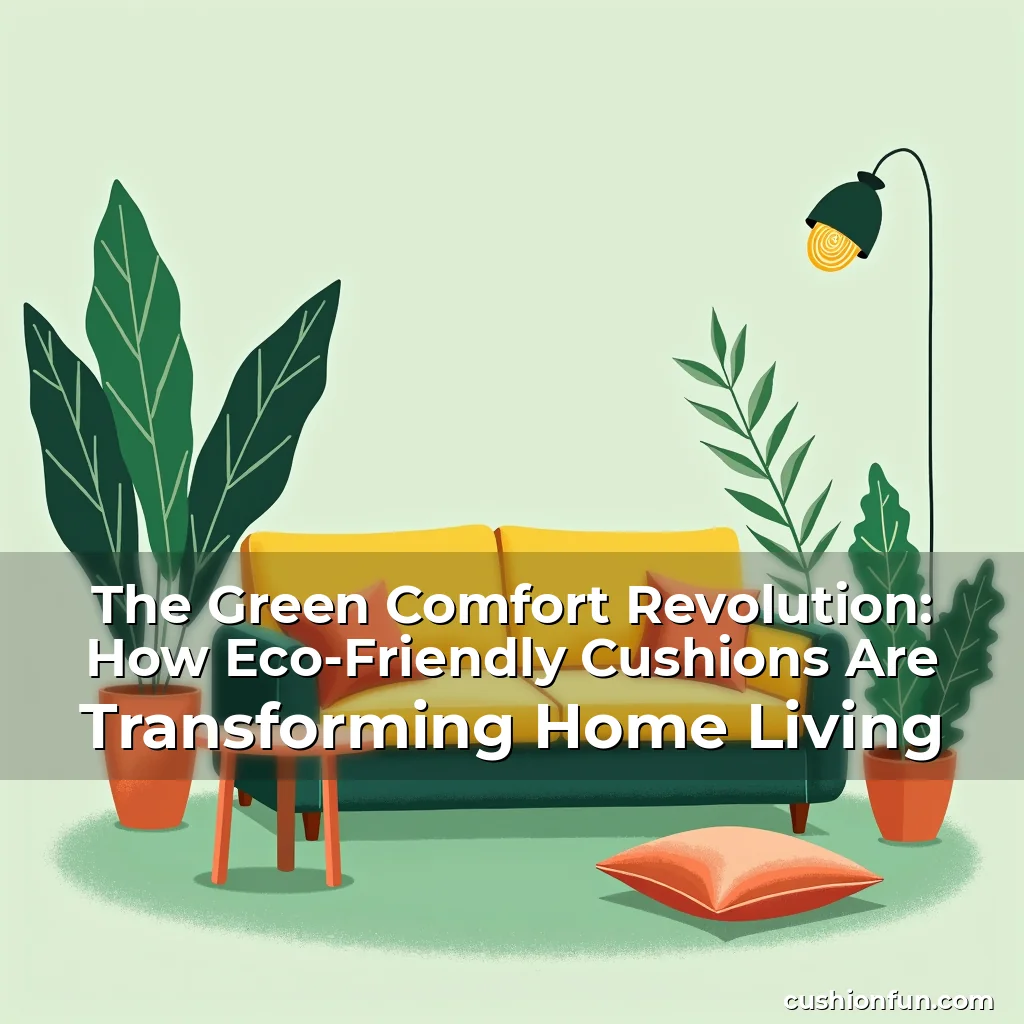
The Green Comfort Revolution: How Eco-Friendly Cushions Are Transforming Home Living
In an era where sustainability is no longer optional but essential, homeowners are redefining comfort through innovative choices that align with their environmental values. Among these choices, eco-friendly cushions have emerged as a powerful symbol of conscious living, blending style, functionality, and ecological responsibility.
This shift reflects a growing awareness that even small home decor decisions can significantly impact our planet’s future. As we explore the world of sustainable seating solutions, we uncover how these cushions are reshaping interior design while safeguarding our environment.
Understanding the Environmental Impact of Traditional Cushions
The journey toward eco-conscious living begins by understanding what makes traditional cushions environmentally harmful. Conventional foam padding often contains polyurethane, a synthetic material derived from petroleum products that releases volatile organic compounds (VOCs) over time.
These VOCs contribute to indoor air pollution, potentially affecting respiratory health and overall well-being. The production process itself involves energy-intensive methods that generate significant carbon emissions, further exacerbating climate change concerns.
- Petroleum-based materials: Most standard foam cushions rely on non-renewable resources extracted at great environmental cost.
- VOC emissions: Chemical off-gassing from synthetic foams degrades indoor air quality and may pose long-term health risks.
- Waste management challenges: Disposing of old cushions contributes to landfill waste, as many components do not biodegrade naturally.
Moreover, the dyes used in conventional cushion covers frequently contain toxic chemicals that leach into water systems when improperly disposed of. This creates a ripple effect across ecosystems, impacting both aquatic life and human populations reliant on clean water sources.
Fast fashion trends also influence cushion manufacturing, leading to excessive consumption patterns. Quick turnover cycles encourage frequent replacement rather than thoughtful investment in durable pieces, perpetuating resource depletion and waste accumulation.
The Rise of Sustainable Materials in Cushion Manufacturing
A paradigm shift is occurring within the furniture industry as manufacturers prioritize sustainable alternatives without compromising comfort or aesthetics. Natural fibers such as cotton, hemp, and bamboo are now being woven into cushion designs, offering breathability and durability while reducing reliance on synthetic materials.
Organic cotton, grown without pesticides or fertilizers, provides softness comparable to conventional options while supporting regenerative farming practices. Similarly, hemp fabric requires less water and produces stronger fibers than most other plant-based textiles.
Bamboo offers another compelling option due to its rapid growth rate and minimal need for chemical inputs during cultivation. These natural fabrics not only feel luxurious against the skin but also support ethical labor practices by promoting fair trade initiatives.
Advancements in material science have led to the development of bio-based foams made from renewable resources like soybean oil and castor bean oil. These alternatives maintain structural integrity while dramatically reducing dependence on fossil fuels.
Eco-Conscious Production Practices
Sustainability extends beyond raw materials to encompass every stage of the manufacturing process. Ethical producers implement closed-loop systems that minimize waste generation and maximize resource efficiency. Water recycling programs ensure that precious liquid resources aren’t unnecessarily consumed or contaminated.
Energy-efficient machinery reduces electricity usage while maintaining high-quality output standards. Some factories utilize solar power or wind energy to power operations, further decreasing their carbon footprint.
Certifications like Fair Trade and B Corp serve as trusted indicators of responsible business practices. These labels verify that companies uphold strict environmental and social standards throughout their supply chains.
Local sourcing strategies help reduce transportation-related emissions by keeping production close to consumer markets. Supporting regional artisans also fosters economic resilience within communities.
Design Innovation Meets Sustainability
Modern designers are reimagining cushion aesthetics through creative use of upcycled materials and modular construction techniques. Repurposed wood elements add warmth and texture to contemporary spaces while giving new life to discarded objects.
Modular cushion sets allow for customizable arrangements that adapt easily to changing needs. This flexibility encourages longevity by making furniture more versatile rather than disposable.
Textile innovations continue to push boundaries with developments like mushroom leather and algae-based fabrics. These cutting-edge materials offer designer appeal alongside impressive environmental credentials.
Smart technology integration enhances usability without compromising sustainability goals. Motion sensors and temperature regulation features optimize energy consumption while improving user experience.
Health Benefits of Choosing Eco-Friendly Cushions
Transitioning to sustainable cushioning solutions yields tangible benefits for personal health and well-being. Natural latex and memory foam alternatives provide ergonomic support without exposing users to harmful chemicals found in conventional products.
Cushions crafted from organic materials promote better sleep hygiene by minimizing exposure to toxins that could disrupt restful patterns. Non-toxic adhesives used in assembly prevent inhalation hazards associated with chemical bonding agents.
Allergen-free properties make eco-cushions particularly beneficial for individuals suffering from asthma or seasonal allergies. The absence of synthetic fillers reduces irritation potential compared to traditional foam varieties.
Studies show that incorporating green elements into living environments improves mood and cognitive function. The visual harmony created by sustainably sourced materials contributes positively to mental wellness.
Economic Considerations and Long-Term Value
While initial costs might appear higher for eco-friendly cushions, careful evaluation reveals substantial long-term savings. Durable construction means fewer replacements over time, translating to reduced spending frequency.
Investments in high-quality sustainable products appreciate in value as demand increases for environmentally responsible goods. Vintage-style pieces gain market desirability, enhancing resale potential decades later.
Maintenance requirements for natural fiber cushions are generally lower than those needing specialized cleaning treatments common with synthetic counterparts. This convenience factor adds practicality to the purchase decision.
Supporting ethical brands helps build a more equitable marketplace by rewarding businesses committed to transparency and accountability in their operations.
Navigating Certifications and Labels
Selecting truly eco-friendly cushions requires discernment regarding certifications and labeling claims. Reputable organizations establish rigorous criteria that validate genuine sustainability efforts within the industry.
Look for certifications like Global Organic Textile Standard (GOTS) which ensures complete traceability from farm to finished product. Cradle to Cradle certification evaluates entire lifecycle impacts including recyclability potential.
Fair Trade Certified labels guarantee safe working conditions and fair wages for workers involved in any stage of production. These seals represent collective commitments towards global equity goals.
Green Seal Certification focuses specifically on product performance metrics related to environmental impact assessments. It verifies that items meet defined benchmarks for reduced toxicity levels.
Creating a Cohesive Eco-Interior With Cushions
Thoughtfully integrating eco-friendly cushions into your space transforms interiors into expressions of mindful living. Color coordination becomes an opportunity to showcase natural dye variations inherent in organic textiles.
Layering techniques enhance visual interest without requiring additional resources. Mixing textures from different sustainable materials adds depth while maintaining ecological integrity.
Statement pieces anchor room themes, drawing attention away from mass-produced furnishings toward handcrafted artistry. These focal points celebrate craftsmanship while reinforcing sustainability values.
Rotational use allows cushions to be moved between rooms as needed, maximizing utility across various areas of the home. This approach minimizes clutter while optimizing spatial organization.
Community Engagement Through Sustainable Choices
Choosing eco-friendly cushions connects consumers with broader environmental movements happening globally. Participating in local swap events fosters connections among like-minded individuals pursuing greener lifestyles together.
Sharing experiences online builds supportive networks that amplify awareness around sustainable living principles. Social media platforms become tools for education rather than mere entertainment channels.
Volunteering opportunities arise through participation in beach cleanups or tree planting activities linked to purchasing decisions. These actions transform individual choices into meaningful contributions toward planetary restoration.
Engaging children in crafting projects using recycled materials instills lifelong appreciation for conservation efforts. Hands-on learning experiences create lasting impressions that shape future generations’ attitudes towards sustainability.
Conclusion
The movement toward eco-friendly cushions represents much more than a simple furniture upgrade; it signifies a profound cultural shift embracing environmental stewardship within daily life choices.
By prioritizing sustainable options today, we invest in healthier homes, cleaner environments, and stronger communities for tomorrow. Every conscientious choice ripples outward, creating waves of positive transformation across society as a whole.

news is a contributor at CushionFun. We are committed to providing well-researched, accurate, and valuable content to our readers.