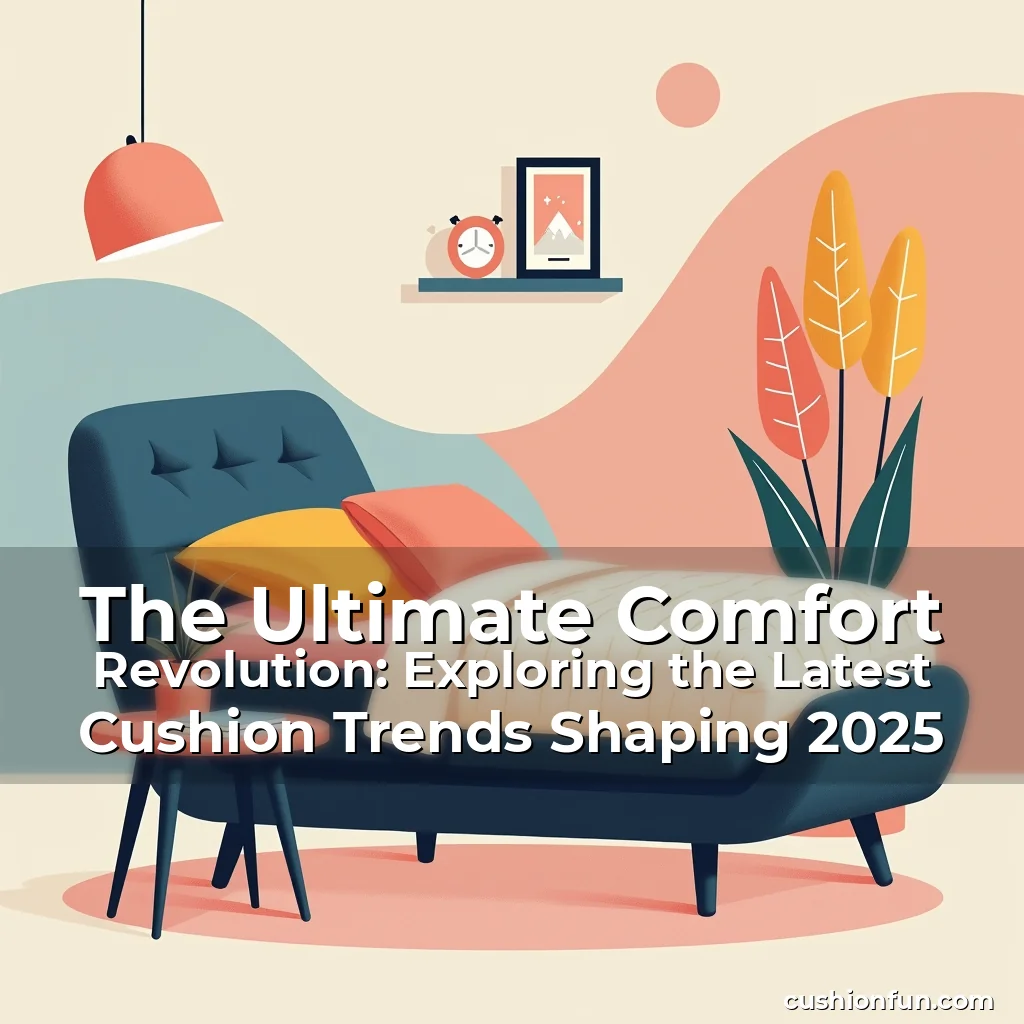
The Ultimate Comfort Revolution: Exploring the Latest Cushion Trends Shaping 2025
In an era where comfort meets creativity, cushions have evolved far beyond their traditional role as decorative accessories. From innovative materials to bold designs, the world of cushioning is undergoing a transformative shift that caters to both aesthetic preferences and practical needs. Whether you’re upgrading your living room or seeking personalized relaxation solutions, staying ahead of these trends can redefine your space.
This guide dives deep into the most exciting developments shaping cushion culture today—covering everything from sustainable innovations to high-tech integrations. Discover how modern trends blend functionality, artistry, and personal expression to elevate everyday experiences.
Eco-Conscious Designs Leading the Way
Sustainability has taken center stage in every industry, including cushion manufacturing. Consumers now demand products that align with their values, driving a surge in eco-friendly alternatives. Brands are prioritizing materials like organic cotton, recycled polyester, and plant-based foams to reduce environmental impact while maintaining quality and comfort.
Beyond raw materials, companies are adopting closed-loop production systems to minimize waste. For instance, some manufacturers repurpose post-consumer textiles into new cushion covers, creating circular economies that benefit both the planet and consumers. This approach resonates strongly with younger generations who prioritize ethical consumption.
- Biodegradable Fillers: Natural latex and soy-based foams offer decomposable alternatives to synthetic memory foam, reducing long-term landfill contributions.
- Certifications Matter: Look for labels like GOTS (Global Organic Textile Standard) or OEKO-TEX® to verify eco-friendliness and chemical safety in cushion components.
- Low-Impact Dyes: Vibrant colors made with non-toxic pigments allow for stylish designs without compromising health or environmental standards.
Smart Cushions: Merging Technology with Comfort
The rise of smart home devices has extended its influence to cushioning, giving birth to intelligent furniture solutions. These cushions integrate sensors, heating elements, and even AI-driven analytics to enhance user experience. Imagine adjusting your seat’s firmness based on posture data or receiving alerts when your lumbar support needs realignment.
Some models go further by connecting via Bluetooth to mobile apps, enabling users to track sitting habits over time. Others feature embedded speakers or vibrations for immersive gaming or meditation sessions. While still niche, these innovations signal a growing appetite for interactive lifestyle products.
Health-Focused Innovations
A significant portion of smart cushion development targets wellness goals. Ergonomic cushions with pressure sensors help prevent musculoskeletal issues during prolonged sitting, ideal for office workers and gamers alike. Meanwhile, heated cushions provide relief for those with chronic pain conditions, offering therapeutic benefits at the touch of a button.
Data collection capabilities also play a role in health management. By analyzing movement patterns and body weight distribution, advanced cushions can suggest optimal seating positions or alert users to potential risks like poor circulation. Such features make them appealing to healthcare professionals and fitness enthusiasts.
Minimalist Aesthetics Reimagined
In response to cluttered lifestyles, minimalist cushion designs emphasize simplicity and purposeful elegance. Clean lines, neutral tones, and understated textures dominate this category, serving as versatile additions to various interior schemes. Unlike maximalist approaches, these cushions focus on subtlety rather than overwhelming visual stimulation.
Makers are redefining minimalism by incorporating unexpected details. For example, asymmetrical shapes or matte finishes add depth without complexity. Additionally, hybrid designs combine soft cushions with structural elements like built-in shelves or hidden compartments, merging form and function seamlessly.
Color Palettes Redefined
While neutrals remain popular, minimalist cushions are embracing muted pastels and earthy shades for added warmth. These softer hues complement natural light better than stark whites, creating inviting atmospheres in homes and offices. Metallic accents in gold or brass occasionally appear, adding sophistication without overpowering the overall look.
Texture plays a crucial role too; think woven jute, linen blends, or subtly embossed leathers. These tactile elements enrich the visual appeal of minimalist spaces, proving that less can indeed be more when executed thoughtfully.
Bold Statements Through Color and Pattern
For those craving vibrancy, colorful cushions have emerged as powerful tools for self-expression. High-contrast combinations and dynamic prints transform ordinary rooms into artistic statements. This trend reflects a broader cultural shift toward celebrating individuality through décor choices.
Designers are pushing boundaries with unconventional patterns—from abstract splatters to retro-inspired motifs. Some collections mix multiple styles deliberately, creating eclectic ensembles that challenge traditional design norms. These daring choices resonate particularly well among Gen Z audiences seeking authenticity and uniqueness.
- Neon Accents: Bright electric blues, greens, and yellows inject energy into neutral interiors, making a striking focal point.
- Maximalist Mixes: Layering diverse patterns—stripes, florals, geometrics—
Digital printing technologies enable limitless design possibilities. Users can upload photos, logos, or artwork onto cushions, turning everyday objects into personal memorabilia. Some platforms even facilitate collaboration between artists and clients, resulting in truly one-of-a-kind creations.
You Might Also Enjoy: Mastering Cushion Maintenance for Better Results- Monogramming Services: Initials, names, or special dates can be embroidered onto cushions for sentimental value or branding purposes.
- Bespoke Platforms: Online configurators let buyers select every aspect—including shape, size, filling type—and receive custom-made cushions delivered globally.
- Limited Edition Collaborations: Partnerships between cushion brands and famous designers produce exclusive runs featuring signature styles unavailable elsewhere.
Global Inspirations Reshaping Cushion Design
As globalization continues influencing design practices worldwide, cushions are absorbing elements from diverse cultures. From intricate embroidery techniques found in South American markets to handwoven tapestries used traditionally in Middle Eastern households, international craftsmanship inspires new interpretations of classic forms.
Regional variations highlight distinct priorities: Mediterranean cushions often prioritize sunbathing comfort with thick padding, whereas Nordic designs favor streamlined silhouettes suitable for cold climates. Understanding these differences allows for richer, more contextually aware purchasing decisions.
Cultural Fusion in Modern Collections
Many contemporary brands curate collections blending Eastern and Western aesthetics—for example, pairing kimono-style drapes with modern minimalist bases. Such fusions celebrate diversity while catering to multicultural audiences seeking fresh perspectives on familiar objects.
Additionally, indigenous communities are gaining recognition for their artisanal skills. Handcrafted cushions adorned with ancestral symbols or crafted using ancient weaving methods serve dual roles as heirlooms and conversation starters within globalized societies.
Investing in Longevity: Durability Enhancements
Modern cushion construction focuses heavily on resilience against wear and tear. Reinforced seams and durable zippers ensure longevity, especially beneficial for families with active children or pets. Materials like polyurethane foam outlast standard options due to superior compression recovery properties.
Anti-wrinkle technologies incorporated into fabric weaves prevent sagging over time, preserving original contours. These advancements mean cushions retain their supportive qualities much longer than previous generations, representing excellent value propositions despite higher initial costs.
Futuristic Concepts on the Horizon
The future promises even more revolutionary cushion ideas driven by emerging technologies. Researchers experiment with self-healing polymers capable of repairing minor damages autonomously. Others explore bio-integrated materials that adapt to body heat or respond dynamically to pressure changes.
Virtual reality applications may soon allow digital previews of how different cushion placements affect spatial dynamics before physical installation. Augmented reality mirrors could simulate color coordination scenarios instantly, streamlining decision-making processes for interior decorators and casual shoppers alike.
Conclusion
The evolution of cushion trends showcases a fascinating intersection between tradition and innovation. As seen throughout this exploration, modern cushions cater to ecological concerns, technological aspirations, stylistic expressions, and functional requirements—all while remaining central figures in our daily lives.
To stay ahead of the curve, consider experimenting with trending materials or integrating smart features into your existing setups. Ultimately, choosing cushions becomes less about mere decoration and more about crafting meaningful interactions that enhance both comfort and identity within any environment.

news is a contributor at CushionFun. We are committed to providing well-researched, accurate, and valuable content to our readers.