Professional Decorative Cushions: Advanced Techniques
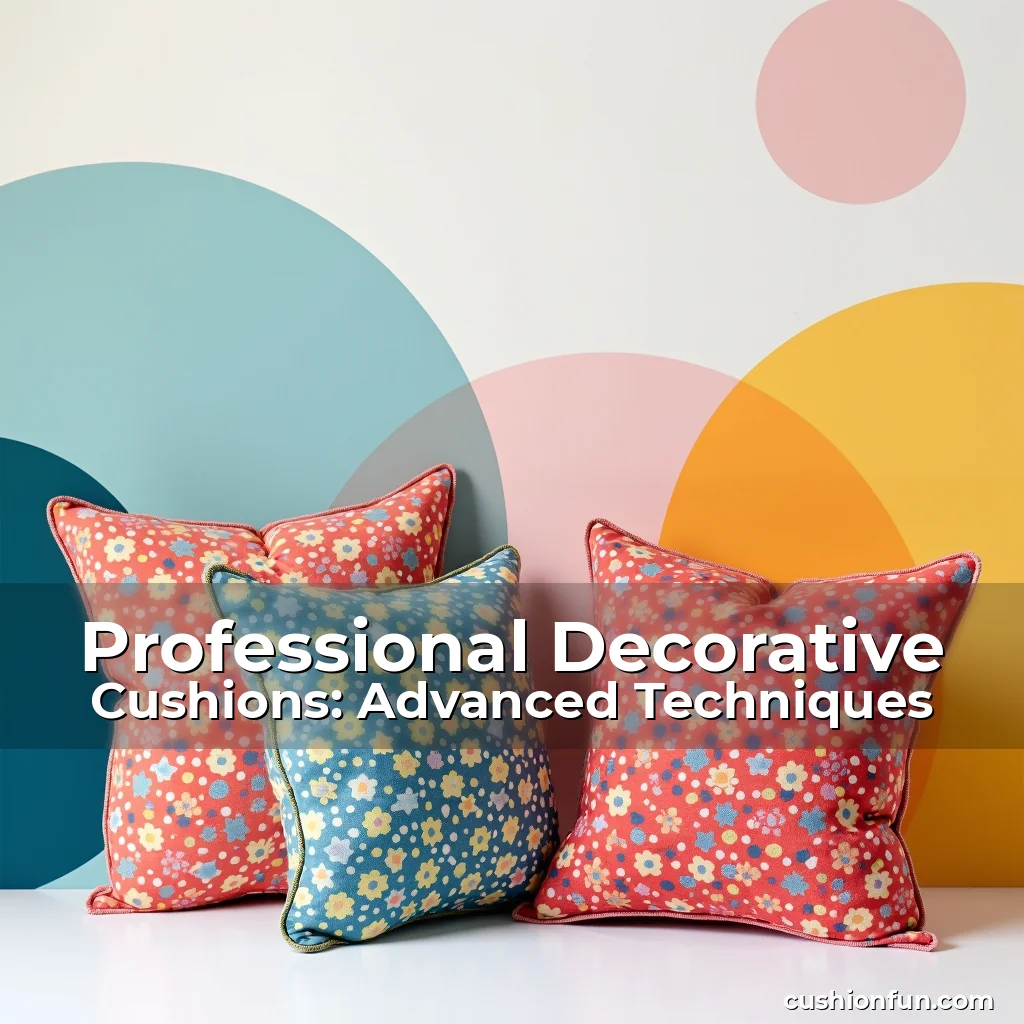
The Art of Elevating Spaces: Mastering Decorative Cushions for Every Room
In today’s interior design world, decorative cushions have transcended their utilitarian roots to become powerful tools for expressing personal style and enhancing spatial aesthetics. While many see them as simple home accessories, seasoned decorators recognize their potential to transform environments through texture, color, and pattern.
This guide delves beyond basic styling tips to explore advanced techniques that professionals use to create cohesive, impactful interiors using decorative cushions. From material selection to strategic placement patterns, we’ll uncover how these seemingly small elements can make dramatic differences in any space.
Elevating Textural Complexity Through Material Mastery
Textured surfaces add depth and dimension to any room when incorporated thoughtfully. For professional-grade decor, understanding different fabric types is crucial. Luxurious velvet offers rich softness while faux fur introduces tactile warmth without animal cruelty concerns.
Bouclé fabrics provide dynamic visual interest with their looped fibers, creating subtle movement under light. Woven jute brings organic textures perfect for bohemian-inspired spaces, while embroidered linens add refinement through intricate detailing. These materials respond differently to lighting conditions, making them ideal for layering effects in various settings.
- Velvet: Ideal for statement pieces due to its deep pile and light-reflective properties
- Faux Fur: Offers cozy warmth without compromising ethical standards
- Bouclé: Creates visually interesting shadows when illuminated properly
- Jute: Adds natural earthy tones suitable for rustic themes
- Embroidered Linen: Provides elegant patterns that complement modern designs
When selecting materials, consider not only visual impact but also durability factors. High-traffic areas benefit from stain-resistant microfiber options, while formal living rooms might favor silk blends that maintain their luster over time. Understanding these nuances allows designers to curate collections that are both aesthetically pleasing and functionally sound.
Layering different textures creates visual harmony rather than clutter. Pairing smooth leather with rough-hewn wood accents can produce intriguing contrasts. Similarly, combining plush velvets with sleek metallics adds sophistication. This interplay of surface qualities becomes especially effective when paired with appropriate lighting solutions.
Crafting Cohesive Color Palettes: Beyond Basic Matching
Color theory plays an essential role in achieving balanced interiors. Professional decorators go beyond basic color matching by considering complementary hues and analogous schemes. Understanding undertones helps avoid clashes that may occur between similar-looking shades.
Monochromatic palettes offer refined elegance when executed correctly. By varying values within a single hue, you create depth without overwhelming the eye. Consider incorporating darker shades for focal points and lighter variations for accentuating architectural features.
Tips for successful monochrome decorating:
- Use at least three distinct value levels within your chosen color
- Incorporate contrasting neutrals to prevent monotony
- Add metallic accents for visual interest
- Balance solid colors with patterned textiles
Analogous color schemes work well for creating serene atmospheres. Selecting three adjacent colors on the color wheel produces harmonious results that feel calming yet vibrant. Experimentation with saturation levels ensures the scheme remains dynamic instead of flat.
Complementary color pairings generate high contrast that demands careful handling. When used appropriately, they create striking focal points without becoming visually exhausting. The key lies in controlling proportions – allowing one dominant color to anchor the space while using smaller amounts of its counterpart for emphasis.
Patterning Strategies: Creating Visual Interest Without Chaos
Patterns bring personality and character to interiors through deliberate repetition of shapes, lines, or motifs. However, achieving balance requires thoughtful consideration of scale, complexity, and spacing between repeating elements.
Start with a neutral base before introducing patterned elements. This approach prevents visual overload by providing a stable foundation upon which to build. Choose either bold geometric prints or delicate florals based on desired mood and existing décor elements.
A popular technique among professionals involves mixing patterns with common denominators such as shared colors or shapes. For instance, pairing a floral print with a damask design that shares similar red tones creates cohesion despite differing styles.
Scale considerations are critical when working with mixed patterns. Large-scale prints should be balanced with smaller ones to avoid overwhelming the space. Maintain at least two feet distance between patterned elements to ensure visual breathing room.
Consider the purpose of each patterned item when planning your arrangement. Statement cushions serve best as centerpieces in symmetrical layouts, while more subdued patterns contribute quietly to overall composition. Always test combinations in natural light before finalizing choices.
Strategic Placement Patterns: Architectural Harmony in Motion
Proper placement transforms ordinary cushions into functional art pieces that enhance spatial dynamics. Begin by identifying key seating areas where decorative cushions will make the most impact. In open-plan spaces, clusters around furniture groupings become particularly effective.
Establish clear focal points within each zone. A single oversized cushion placed centrally draws attention naturally, while grouped arrangements invite interaction. Balance symmetry with asymmetry depending on the room’s architecture and intended ambiance.
Height variation plays a crucial role in creating dimensional appeal. Layering cushions of different sizes and profiles adds depth while guiding the viewer’s gaze across the space. Avoid uniformity unless specifically aiming for minimalist aesthetics.
Anchor placements strategically near architectural features like fireplaces or built-in shelves. These positions allow cushions to frame views effectively while complementing surrounding elements seamlessly. Pay special attention to sightlines to maximize visual flow.
Experiment with unconventional arrangements when seeking fresh perspectives. Offset positioning relative to standard grid systems often yields surprising results that reflect individual creativity. Document different configurations during trial periods to find optimal solutions.
Lighting Interactions: Illuminating Design Potential
Understanding how light interacts with fabrics enhances the effectiveness of decorative cushions. Natural daylight reveals true colors and textures better than artificial sources, making morning assessments invaluable for accurate selections.
Different materials react uniquely to illumination. Metallic threads shimmer attractively under direct sunlight, while matte finishes absorb light evenly. Recognize these characteristics when choosing placements according to available lighting conditions.
Directional lighting can dramatically alter perceptions. Soft backlighting behind cushions highlights contours beautifully, whereas overhead lights emphasize surface details. Manipulate these variables creatively to achieve desired effects.
Layering ambient, task, and accent lighting provides multifaceted experiences throughout the day. Warm-toned lamps cast inviting glows, while cool white LEDs offer clarity during evening hours. Strategic placement ensures each setting maintains aesthetic continuity.
Consider the rhythm of daily activities when planning illumination strategies. Morning setups might prioritize bright, energizing lighting, transitioning gradually toward softer, more comforting options as the day progresses naturally.
Seasonal Transitions: Adapting Decor With the Seasons
Sustainable decorating practices include rotating decorative cushions seasonally to refresh spaces without complete overhaul. This method reduces waste while keeping interiors feeling new and relevant year-round.
Springtime invigorates homes with lighter pastels and botanical prints that echo nature’s awakening. Incorporate breezy linen mixes with cotton for airy sensations that align with seasonal moods.
Summer calls for vibrant colors and tropical patterns inspired by warm climates. Opt for quick-dry fabrics suited for humid weather while maintaining comfort levels during extended use periods.
Autumn transitions naturally through richer tones like burnt orange and forest green. Blend these hues with textured knits and wool blends that embrace cooler temperatures comfortably.
Winter requires deeper hues and cozier fabrics that evoke warmth and security. Plush velvets and faux furs become essential components of festive winter décors, adding luxurious touches to cold-weather interiors.
Investment Value: Building Curated Collections Over Time
Viewing decorative cushions as long-term investments encourages mindful purchasing decisions. Developing curated collections allows gradual evolution of personal style while avoiding impulsive buys that may quickly lose relevance.
Quality craftsmanship distinguishes enduring pieces from temporary trends. Look for reinforced seams, durable zippers, and premium fillings that withstand regular use without losing shape integrity.
Fabric care requirements significantly affect longevity. Choose easy-to-clean materials for frequently used items, while preserving delicate originals for occasional display purposes only.
Maintaining records of acquisitions facilitates informed future purchases. Tracking provenance and condition history enables assessment of whether pieces continue serving their intended functions effectively over time.
Regularly reassessing collections keeps them aligned with evolving tastes and lifestyle needs. This ongoing evaluation process ensures continued satisfaction from investment choices made years ago.
Personal Expression Through Custom Creations
Handmade decorative cushions offer unparalleled opportunities for self-expression. Whether through DIY projects or commissioning artisans, custom creations become meaningful additions that reflect individual personalities and creative visions.
Embroidery presents exciting possibilities for bespoke detailing. Simple threadwork on plain backgrounds instantly elevates casual pieces into artistic statements worthy of gallery walls.
Upcycling vintage finds gives new life to forgotten treasures. Transforming old quilts or curtains into contemporary cushions preserves historical charm while adapting it for modern contexts.
Mixed media approaches combine unexpected materials to produce distinctive looks. Blending traditional upholstery methods with digital prints or reclaimed woods creates hybrid pieces that challenge conventional boundaries.
Custom sizing accommodates unique furniture dimensions perfectly. Rather than settling for standard measurements, tailor pieces precisely to match specific seat depths and heights for optimal fit and comfort.
Community Engagement: Sharing Your Cushion Journey
Active participation in cushion communities enriches the entire experience. Engaging with fellow enthusiasts through social platforms fosters knowledge exchange and inspires innovative ideas.
Sharing transformation stories demonstrates the versatility of decorative cushions. Before-and-after visuals highlight how even minor changes can yield significant stylistic shifts in interiors.
Hosting swap meetups promotes sustainability while building connections among local creatives. Exchanging gently used cushions extends product lifespans while discovering unique finds.
Contributing tutorials benefits others while reinforcing personal expertise. Teaching sewing or pattern-matching techniques strengthens foundational skills applicable across various textile crafts.
Participating in virtual challenges sparks motivation for continuous improvement. Joining themed events like “Cushion Month” encourages exploration of new styles and techniques regularly.
Conclusion
Decorative cushions represent much more than mere furnishings; they embody the intersection of artistry and functionality in interior spaces. Their transformative power lies in our ability to manipulate elements like texture, color, and pattern intentionally.
By applying these advanced techniques consistently, anyone can elevate their decorating skills from amateur to expert level. Remember, mastery comes through practice, patience, and persistent experimentation with various combinations until finding what works best personally.